Description
Overview of GLP-1 SM 10MG
GLP-1 SM 10MG GLP-1 SM 10MG is an investigational peptide specifically used for research of glucagon-like peptide-1 receptor interaction. Researchers frequently utilize GLP-1 receptor agonists for research of metabolic processes, signaling pathways and hormones as well as gastrointestinal functions and signaling processes.
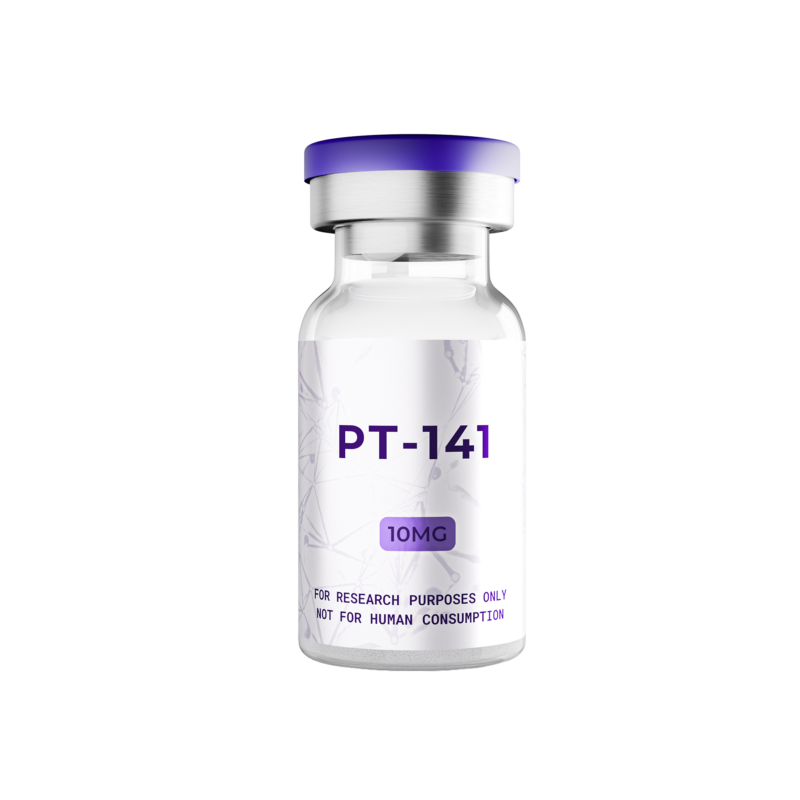
Description The peptide is provided as a white lyophilized powder packaged in a 3ml sealed glass vial and needs to be reconstituted prior to laboratory use. Suitable reconstitution solvents include bacteriostatic water (according to research protocols and lab facilities standardisation).
The material is synthesized with a purity specification of 99%, ensuring laboratory experiments will yield consistent results. To support product identification, purity, and quality standards, the batch undergoes testing via third-party validation procedures.
For any researcher looking for even more peptide products to browse, we can suggest that you take a peek at closely-associated classification by checking out thecatalog for research peptides, or maybe searching at the perfect lab consumables by using ourreconstitution solution line of items.
Technical Specifications
Product Details
- Product Name: GLP-1 SM 10MG
- Contents: Lyophilized powder in 3mL vial
- Purity: ≥99%
- Application: GLP-1 receptor agonist research
- Appearance: Solid white lyophilized powder
- Chemical Formula: C187H291N45O59
- CAS Number: 910463-68-2
- Molecular Weight: Approximately 4113.58 g/mol
- Container Type: 3mL sterile glass vial
- Reconstitution: Required prior to laboratory use
Storage Requirements
Store in original, tightly sealed packaging, at temperature up to 25C (77F), away from light, moisture, excessive heat and high relative humidity. For long term storage, best use conditions include storing at 2C-8C.
Understanding GLP-1 Receptor Agonist Research
Naturally found, glucagon-like peptide-1 (GLP-1) is a member of the incretin class of hormones that is expressed in both the pancreatic beta cells and L cells and plays a role in glucose-dependent insulin signaling and metabolism. The discovery of the presence of a GLP-1 receptor on other tissues and its participation in appetite regulation, gastric emptying, the pancreas, and glucose metabolism, the research interest in the use of GLP-1 receptor agonists has been extensive.
GLP-1 receptor agonist compounds are frequently studied in:
- Metabolic pathway analysis
- Endocrine signaling research
- Cell receptor interaction studies
- Peptide stability investigations
- Molecular pharmacology research
- Experimental obesity and glucose regulation models
Additional research to establish implications of GLP-1 receptor activation beyond endocrine and metabolic systems remains underway. Researchers should refer to currently published peer-reviewed literature and institutional guidelines for GLP-1–related agent use.
Rigorous Third-Party Testing and Quality Assurance
Another major focus is the quality control of our peptide research materials. All batches of GLP-1 SM 10MG have been analysed by independent 3rd party laboratories in order to try and prove:
- Purity consistency
- Peptide identity confirmation
- Analytical integrity
- Research-grade specifications
- Batch-to-batch reproducibility
Verification also ensures lab staff has confidence in their reagents, and in the reliability of their experiments. Many researchers are focused on using purified peptides, for the simple reason that other substances present in the peptide solution might lead to skewed analytical results or prevent the receptor binding from occurring.
In most third-party testing procedures, high levels of sophisticated analytical equipment such as HPLC, or high-performance liquid chromatography, and mass spectrometry are utilized to determine a given peptides contents, as well as purity standards.
Reconstitution Information
GLP-1 SM 10MG should be prepared prior to its intended application in research laboratory work. Suitable laboratory grade sterile solvents such as bacteriostatic water can be used in a lab, consistent with your specific protocol and validated procedure for research.
General Handling Considerations
- Allow the vial to reach room temperature before handling.
- Use sterile laboratory equipment and aseptic technique.
- Introduce the solvent slowly to reduce agitation.
- Avoid vigorous shaking to preserve peptide integrity.
- Store reconstituted material according to laboratory stability protocols.
These include specifying how the concentrations are calculated, which solvent should be used and what conditions for the storage. It’s important that researchers refer to a validated laboratory method, or study needs if those apply to their own experiment.
Key Features and Research Advantages
High Purity Composition
99% Purity The 99% purity provides suitability for those applications needing steady analytic performance, including research labs where minimal interference from contaminants is a requirement.
Research-Focused Manufacturing
The peptide has been formulated for the purposes of scientific or laboratory use to help investigators continue with high standards in confined conditions.
Lyophilized Stability
Lyophilization offers several benefits, one being enhanced stability of the peptide when stored or transported because moisture has a low chance to interact with and damage it.
Independent Verification
Third-party analytical testing provides additional quality assurance and supports research reproducibility.
Convenient Packaging
The sterile 3mL vial format is designed for laboratory convenience and controlled handling procedures.
Potential Research Applications
GLP-1 receptor agonist compounds are a key target in several areas of research: GLP-1 SM 10MG can be used in study of:
- Metabolic signaling pathways
- Peptide receptor interactions
- Hormonal regulation mechanisms
- Experimental endocrine models
- Cellular response investigations
- Pharmacodynamic characterization
- Molecular biology studies
Scientific institutions must provide assurance that all studies satisfy relevant lab safety requirements, ethical guidelines and institutional approval mechanisms.
Handling and Storage Best Practices
Safe practices in handling peptides may enhance analytical integrity and stability of samples with the time. Labs must follow recommended protocol for storage and handling precautions for peptides for minimizing contamination and maintain integrity.
Recommended Practices
- Keep the vial tightly sealed when not in use.
- Minimize repeated freeze-thaw cycles.
- Protect from direct sunlight and excessive heat.
- Use sterile laboratory instruments during handling.
- Document storage conditions and batch information.
If using for prolonged preservation refrigerate at 2C to 8C. Short term use may be made if stored at 25C or below and under controlled laboratory condition.
Research Use and Regulatory Considerations
GLP-1 SM 10MG is intended exclusively for laboratory and scientific use. It is not for internal consumption, veterinary application, human therapeutic use, or as an in vitro diagnostic.
It is up to both the laboratory researchers and the purchasers to ensure all local, national and institutional guidelines regarding peptide handling, storage, shipping and research use is followed.
Researchers should consult authoritative scientific and regulatory resources including:
Why Choose Niro Peptides?
Niro Peptides specializes in providing research-grade peptides with quality assurances and independent testing criteria. Laboratories demanding lot-to-lot analytical precision and consistent, clearly defined specifications will often work with a vendor that possesses established quality procedures.
Key advantages include:
- Independent third-party analytical testing
- High-purity peptide formulations
- Professional laboratory packaging
- Research-focused product catalog
- Transparent technical specifications
Additional products may be explored through the complete peptide catalog.
Frequently Asked Questions
What is GLP-1 SM 10MG used for?
GLP-1 SM 10MG is supplied for laboratory and research use only in research related to the action of GLP-1 receptor agonists and related metabolic pathway activities.
What is the purity level of this peptide?
The product is manufactured to a purity specification of ≥99%.
Does this peptide require reconstitution?
Yes. Lyophilized powder needs to be reconstituted with a suitable laboratory solvent before use.
How should GLP-1 SM 10MG be stored?
Keep closed at or below 25°C, away from heat, moisture and light. The recommended conditions for storage are between 2°C and 8°C (at room temperature if storing for a short duration).
Is this product intended for human use?
No. This compound is sold for laboratory research purposes only and should not be consumed or administered to any living creature, whether animal or human.
What type of testing is performed?
Every batch undergoes rigorous third-party analytical testing to support purity and quality verification.
Additional Scientific Information
Scientists who are on the hunt for a high-purity GLP-1 peptides usually consider such aspects as: peptides solubility stability; reliability on analytical accuracy and the possibility for receptor binding study applicability; availability of scientifically-established laboratory testing processes. With a research grade production coupled with externally verified laboratory criteria GLP-1 SM 10MG ensures comprehensive support for cutting-edge laboratory research work.
Studies with peptides continue to flourish in endocrinology and metabolic research fields. Researchers have come to demand products that feature transparent technical sheets, controlled storage conditions, and analytical verification procedures.
GLP-1 receptor activation is further clarified through peer review and regulatory approval of scientific data. Institutions need to monitor the scientific and safety literature and follow best practices in handling of peptide and other laboratory materials.