Why Batch Number Is Important
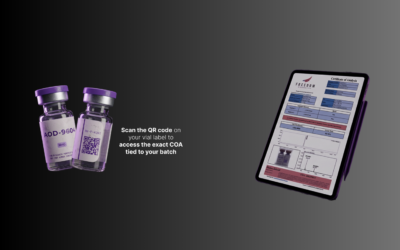
One of the simplest yet most valuable quality assurance steps takes less than a minute: confirming that the batch number on your vial matches the batch number listed on its Certificate of Analysis (COA). Despite its importance, this verification is often overlooked.
A COA only pertains to the exact production batch the sample was analyzed on. If the COA and product batch number differ then it cannot be guaranteed that the analysis pertains to your sample.
What Is a Batch Number?
In pharmaceutical and laboratory manufacturing, a batch refers to the specific amount of material produced in one production run using consistent production conditions. Each batch made is the result of one production run utilizing specific raw materials, equipment configurations, manufacturing process parameters, and quality control requirements.
Similarly, peptide synthesis follows the same approach. A new production batch produces a batch specific to that run and comes with a production record and specific purification details and analysis.
We sometimes see small variations between batches, even though the peptides were synthesized and synthesized by identical methods. Therefore, testing should always be linked back to the specific batch analyzed.
Why Batch Numbers Matter
SPPS refers to solid-phase peptide synthesis, a process that involves several chemical steps where amino acids are attached sequentially in order to make your peptide of interest. Since not all reactions are 100% efficient every time they occur, a small difference along the many steps of the synthesis can lead to a variation in the composition of a batch.
Several manufacturing variables may contribute to differences between production runs, including:
- Raw material quality and resin lots.
- Reagent freshness and preparation.
- Reaction temperature and processing conditions.
- Purification efficiency.
- Normal manufacturing variability.
Therefore, high purity for the same peptide in two separate lots doesn’t mean impurity profiles will be identical. Normally this difference will not matter for most of the research applications, however in some cases in which very stringent requirements on analytical consistency will be needed this would be an important point of attention.
How to Verify Your Batch Number
Confirming a batch number is easy and will guarantee your Certificate of Analysis matches what you have in your hand!
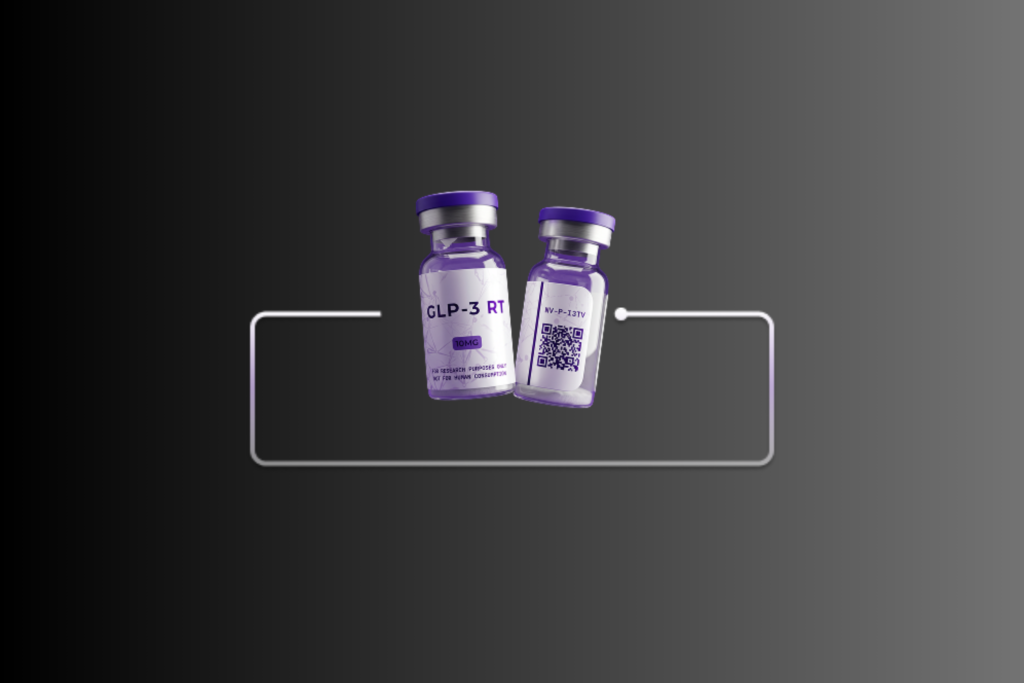
- Locate the batch or lot number printed on your vial or product label.
- Access the Niro Certificate of Analysis library.
- Search using the exact batch number shown on the product.
- Confirm that the product name and other identifying information match your material.
- Download and retain a copy of the certificate for your research records.
Making copies of the batch specific records can also be helpful for ease of reference, the preparation of reports, for quality checks and for lab recording.
The Importance of Batch Traceability
Batch traceability is defined as the capability of tracking a product’s journey from creation through analytical assessment until final approval and release. The effective traceabily process will ensure a historical trace for each batch created.
This complete trace often contain the batch manufacture process data, raw materials data, and results of analytical tests, laboratory information, testing date and the quality assessment report of tests performed.
Such trace process will enhance repeatability of research by enabling researchers to confirm exactly which material was utilized in a study and by which tests it has been validated.
Supporting Long-Term Research Documentation
The appropriate record documentation is an integral part of any quality system for scientific laboratories. Your specific application and needs will determine if documentation specific to batches are needed (e.g. Research publication support, internal quality control reviews, regulatory agency submissions, internal long-term lab archiving) .
Niro has batch traceability documented on all production lots so supporting documentation can be retrieved whenever required.
Our Quality Assurance Process
Each production batch follows a structured quality assurance workflow before it is approved for distribution.
- Peptide synthesis is completed under controlled manufacturing conditions.
- In-process quality checks are performed during production.
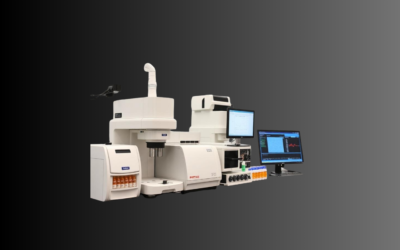
- The finished material undergoes independent HPLC purity and mass spectrometry identity testing.
- A Certificate of Analysis is prepared based on the analytical results.
- The documentation is reviewed as part of the internal quality assurance process.
- Only approved batches are released for inventory and shipment.
Throughout this process, the batch number serves as the unique identifier that links every manufacturing, testing, and documentation record together.
Final Thoughts
A batch number is much more than a label printed on a vial. It connects the product to its manufacturing history, analytical testing, quality documentation, and Certificate of Analysis.
Ensuring your vial and COA have matching batch number is just a small act of a few seconds. It helps you be able to maintain better records, research quality and assure confidence in results.