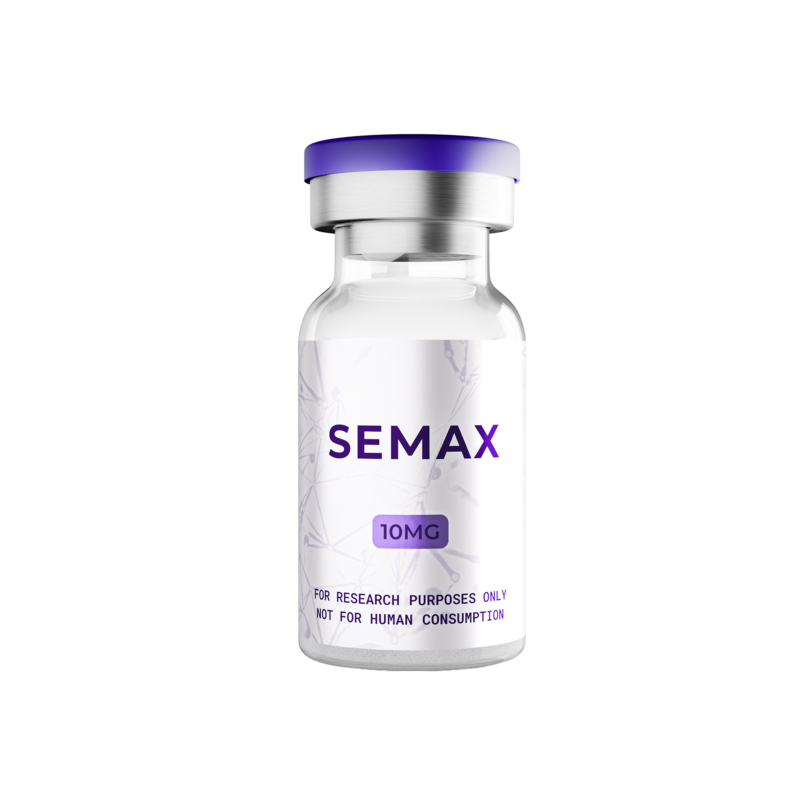
Description
Overview of BPC-157 / TB-500 Peptide Blend
BPC-157/TB-500 Blend -Research Grade This expertly manufactured research grade peptide blend is a result of two widely studied peptides –BPC-157andTB-500- combined to explore any synergistic or other beneficial effects that may arise from their co-application. Available in an easily measured lyophilized powder form for the lab.
Each 3ml vial is supplied in glass ampules, available in 5mg/5mg or 10mg/10mg dosages. With each vial containing a total peptide of 10mg or 20mg (depending on the option you choose) and confirmed with a purity level of 99% after third party lab testing you know your research is safe.
Key Features and Benefits
- Dual Peptide Synergy: Combines BPC-157 and TB-500 for advanced research applications.
- High Purity (≥99%): Ensures consistency and reliability in experimental results.
- Third-Party Tested: Independent verification of purity and composition.
- Flexible Dosing Formats: Available in 5mg/5mg or 10mg/10mg configurations.
Product Specifications
- Contents: 5mg/5mg OR 10mg/10mg lyophilized powder
- Total Peptide Content: 10mg or 20mg per vial
- Vial Size: 3mL glass ampule
- Purity: ≥99%
- Appearance: White lyophilized powder
- Reconstitution Required: Sterile solution (e.g., bacteriostatic water or approved solvent)
Scientific Background
In Preclinical Research both BPC-157 and TB-500 have been researched quite extensively regarding their role in cell migration, cell regeneration, signaling paths associated with angiogenesis etc. Combinations of these two peptides have also been examined due to a possibility that one would augment the function of the other.
TB-500 is a synthetic thymosin beta-4 related molecule which has been used to evaluate effects on actin dynamics and cellular motility, while BPC-157 has been used in research involving the vascular and inflammatory signal pathways. They provide a research model for examining more complicated tissue healing mechanisms.
There are many papers describing peptides individually under experimental condition on PubMed.
Mechanism of Action (Research Context)
Pre-clinical research in lab models shows that BPC-157 modulates angiogenic growth factors and nitric oxide pathways, whereas TB-500 has an effect on the regulation of actin binding protein and cellular migration. Research continues to see how BPC-157 and TB-500 have similar effects on tissue models.
Reconstitution Instructions
To use this Lyophilized formulation, it will need to be reconstituted in the lab prior to use. Asterile reconstitution solution orbacteriostatic water is preferable to achieve best stability.
Work Should Be performed under strict sterile condition and in a regulated laboratory.
Storage Guidelines
Store at <=6C in closed container. Store at or below 6 degrees Celcius protected from heat moisture and direct sunlight.
Research Applications
- Angiogenesis and vascular research
- Tissue regeneration studies
- Cell migration and repair pathway analysis
- Peptide synergy investigations
Important Considerations
- For laboratory research use only
- Not approved for human or veterinary use
- Must be handled by qualified professionals
- Follow all safety and storage protocols
Frequently Asked Questions
Why combine BPC-157 and TB-500?
The combination is utilized in research for investigating possible synergy on pathways such as angiogenesis and tissue regeneration.
Do I need to reconstitute this product?
Yes, it is supplied as a lyophilized powder and requires a sterile solvent before use.
Is this product safe for human use?
No, it is strictly intended for laboratory research only.