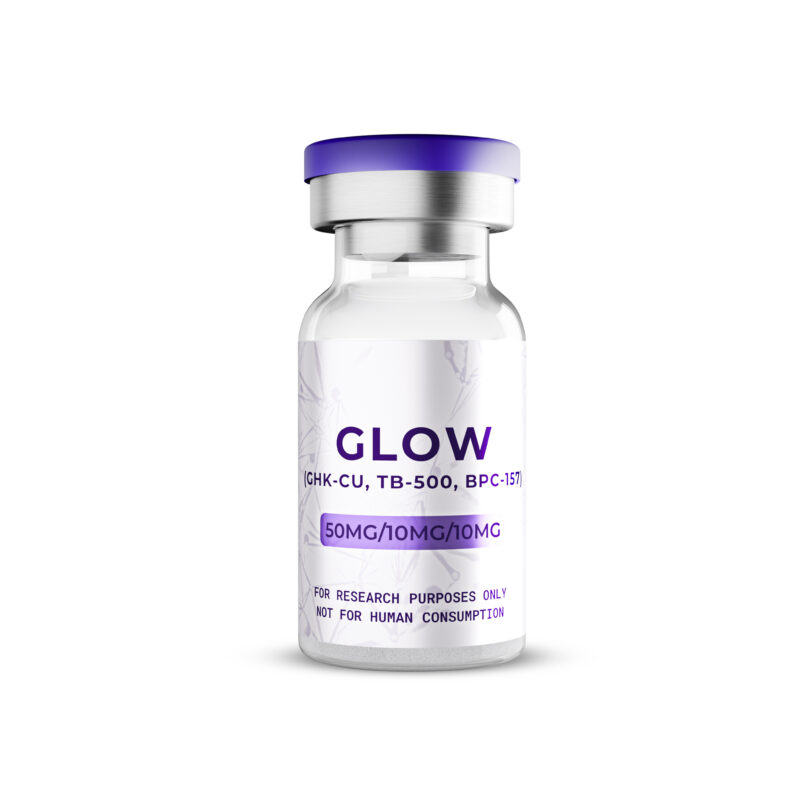
Description
Overview of BPC-157 5MG Peptide
BPC-157 is synthesized and is a natural occurring product, with the natural occurring product existing in gastric juice, in the form of a natural protein. Supplied as a lyopholized powder, the peptide is supplied in a 3mL glass vial at 5mg with an authentic and assessed purity of 99%. The lyophilized nature of the peptide means it has a good shelf life and can be used to reconstitution in the lab as needed.
Also known scientifically as Body Protective Compound 157, the peptide is often used in laboratory research because it works by promoting angiogenetic and repair processes within cells. BPC-157 should only be used for research purposes and not for either human or veterinary use.
Key Features and Benefits
- High Purity (≥99%): Ensures consistency and reliability in research applications.
- Lyophilized Stability: Freeze-dried format enhances shelf life and stability.
- Third-Party Tested: Each batch undergoes independent verification for quality assurance.
- Research Versatility: Suitable for a wide range of biochemical and cellular studies.
Product Specifications
- Contents: 5mg lyophilized peptide
- Vial Size: 3mL glass ampule
- Purity: ≥99%
- Appearance: White solid powder
- Chemical Formula: C62H98N16O22
- CAS Number: 137525-51-0
- PubChem CID: 9941957
- Molecular Weight: 1419.56 g/mol
- Synonyms: BPC157, Body Protective Compound 157
Scientific Background
Experimental research has also focused extensively on BPC-157’s potential in the processes involved in the development of new blood vessels (angiogenesis) and its effects on cell repair pathways, which are critical for the understanding of tissue repair.
According to a study on PubMed, this peptide binds with certain growth factors and pathways that promote blood vessel development, migration of the cells and hence is a good subject of study under a scientific premise.
Mechanism of Action
The BPC-157 compound has been found to potentially affect pathways involved in the process of the formation of blood vessel, which can impact the growth and repair of tissues. Specifically, BPC-157 seems to directly impact signaling via vascular endothelial growth factors (VEGF) and via pathways regulating nitric oxide. The latter could contribute to research in the development of therapeutic approaches and understanding tissue resiliency and wound healing processes.
However its precise mechanism of action is currently unclear, evidence to date suggests that BPC-157 could be implicated in the regulation of cellular inflammation and cell death in in vitro experiments.
Reconstitution Guidelines
All BPC-157 compounds should be reconstituted before laboratory use with sterile solvent. A reconstitution solution may be used and is recommended.
To minimize contamination during reconstitution and to maintain the integrity of the compound at all times, aseptic procedures should be carefully observed during this process.
Storage Instructions
When not in use, the lyophilized peptide should be stored at less than or equal to 6C. The vial must be sealed, tightly closed and shielded from heat, light and humidity. Storage conditions must be adhered to maintain the peptide in its purified, stable state and avoid peptide degradation.
Research Applications
- Angiogenesis studies
- Cellular repair and regeneration research
- Peptide signaling pathway analysis
- Structure–activity relationship investigations
Important Considerations
- For research purposes only
- Not approved for human or veterinary use
- Handle only by qualified professionals
- Follow all laboratory safety protocols
Frequently Asked Questions
What is BPC-157 used for in research?
It is used to study angiogenesis, cellular repair mechanisms, and peptide signaling pathways.
Why is BPC-157 provided as a lyophilized powder?
Lyophilization enhances stability and extends shelf life, making it ideal for long-term storage.
How should BPC-157 be stored?
Store at or below 6°C in a sealed container away from light and moisture.